Green chemicals without a green premium.

Our breakthrough chemical processes allow us to produce sustainable, carbon-negative chemicals that perform better and cost less than dirty petrochemicals.

How It Works About Us

Sustainable specialty chemicals for high-performance applications

Citrimer is bringing sustainability to specialty chemicals for applications that are notoriously difficult to decarbonize – at cost parity with petrochemicals. We believe that doing the right thing for our planet shouldn’t come with a hefty price tag.

Today, we’re focused on thermoset resins, a class of high-performance materials used to manufacture fiber-reinforced composites – for applications in automotive, marine, sporting goods, building materials, and other industrials.

Citrimer is on a mission to reimagine the way chemicals are made, by developing new products with lower emissions at a cheaper cost than petrochemicals, all while manufacturing products and sourcing feedstocks in the United States.

How it Works

Citrimer manufactures green specialty chemicals using industry-standard chemistry and processes. We have developed proprietary methods to convert cheap, commercially available, biobased feedstocks (instead of petroleum-based feedstocks) into green specialty chemicals using the same equipment already used at scale by petrochemical manufacturers.

Biobased Feedstocks

Citrimer’s Process

Green Specialty Chemicals

Our Value

Low cost, high performance, biobased, domestically-sourced and produced.

Citrimer CITRESIN Petrochemicals “Green” Resins
Cost $ $$ $$$
Performance
Biobased Content >80% 0% 10-20%
Tons CO2E/ Tons Resin -1.5 +3.2 +2
American Made

Products

Citrimer’s is bringing sustainability, safety, and performance to composites manufacturing. 
We’re not just another chemicals company. We’re fundamentally reimagining the way chemicals are designed and manufactured from the ground up.

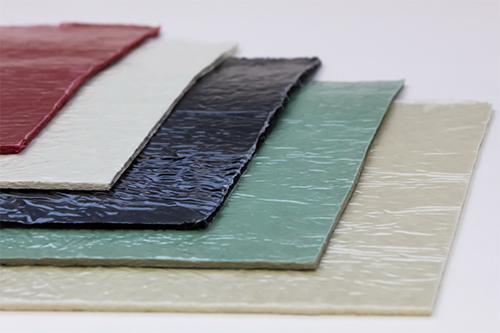
Citresin Unsaturated Polyster

High-performance thermoset designed for demanding structural and aesthetic applications. Our unsaturated polyester offers excellent thermomechanical properties and a 3x reduction in embodied carbon emissions compared to petroleum-based formulations. Ideal for molded components, panels, and tooling across automotive, marine, construction, and heavy industry.

Key Features:

  • Strong and lightweight
  • Excellent surface finish
  • Heat and moisture resistance

Use cases: automotive paneling, enclosures, composite parts, tooling

Sheet molding compound (SMC) – a fiberglass-reinforced composite made with UPR

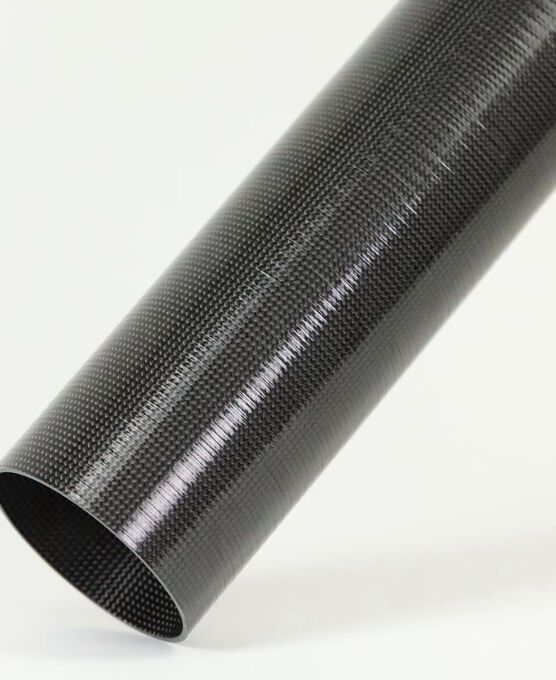
Citresin Cyanate Ester

Premium thermoset built for extreme environments. Our cyanate ester delivers superior thermal stability and exceptional strength at high temperatures. This product is ideal for aerospace, electronics, and advanced applications where high-performance is critical.

Key Features:

  • High temperature resistance
  • High dimensional stability
  • Excellent electrical properties

Use cases: aerospace structures, radomes, high-temperature adhesives, defense systems

Carbon fiber-reinforced composite made with CER

About Us

Vision

At Citrimer, we envision a world where petroleum is no longer the basis for chemicals and downstream physical goods. Our founders have spent the last decade thinking about new chemicals and materials design. We’re imagining the manufacture of synthetic chemicals through novel biobased feedstock selection, with scalability and cost our top priorities.

Anthony Berardi, PhD

Founder, CEO

Anthony Berardi, PhD is the founder and
CEO of Citrimer. He holds a doctorate in Macromolecular Science and Engineering from the University of Michigan where he developed new molecules, polymers, and materials for applications spanning biotech, energy, and nanotechnology. He is the recipient of a National Science Foundation Graduate Research Fellowship.

LinkedIn | X | Google Scholar

Ben Swanson, DDS-PhD

Founder, Scientific Advisor

Ben Swanson, DDS-PhD is the founder and Scientific Advisor to Citrimer. He holds a dual doctorate in Biologic and Material Science and Dentistry from the University of Michigan where he developed novel material systems inspired by biology. He is the recipient of a National Institutes of Health F30 award.

LinkedIn | Google Scholar

Our Partners

We’re grateful for support from our partners: